RaspberryPi 5, Debian 13 (trixie), as DLNA renderer with output to a Teufel Cinebar One+ via USB, configured with Ansible
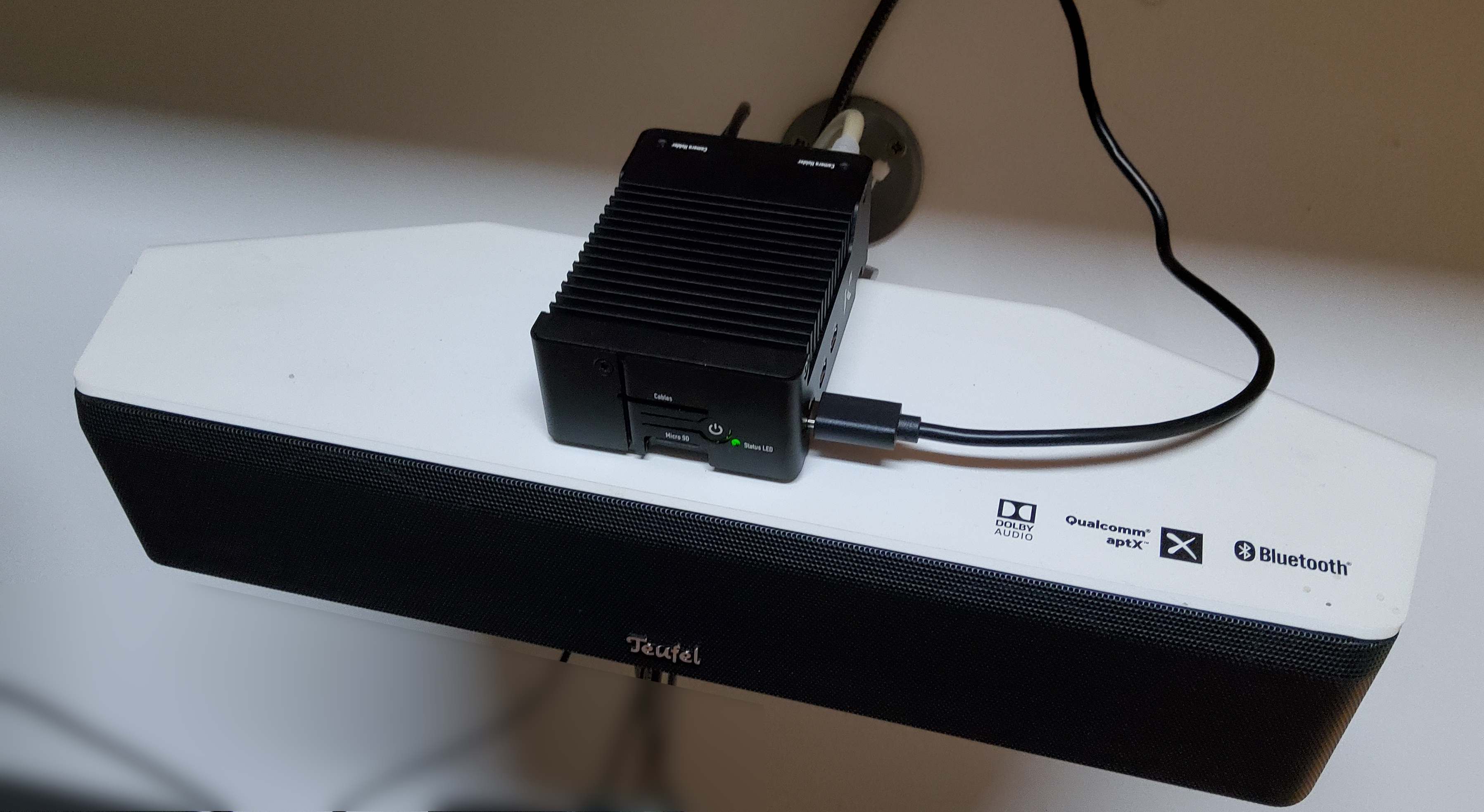
This is pretty much the same as my previous, Debian 12, post on this topic but with Debian 13 this time around.
This is pretty much the same as my previous, Debian 12, post on this topic but with Debian 13 this time around.
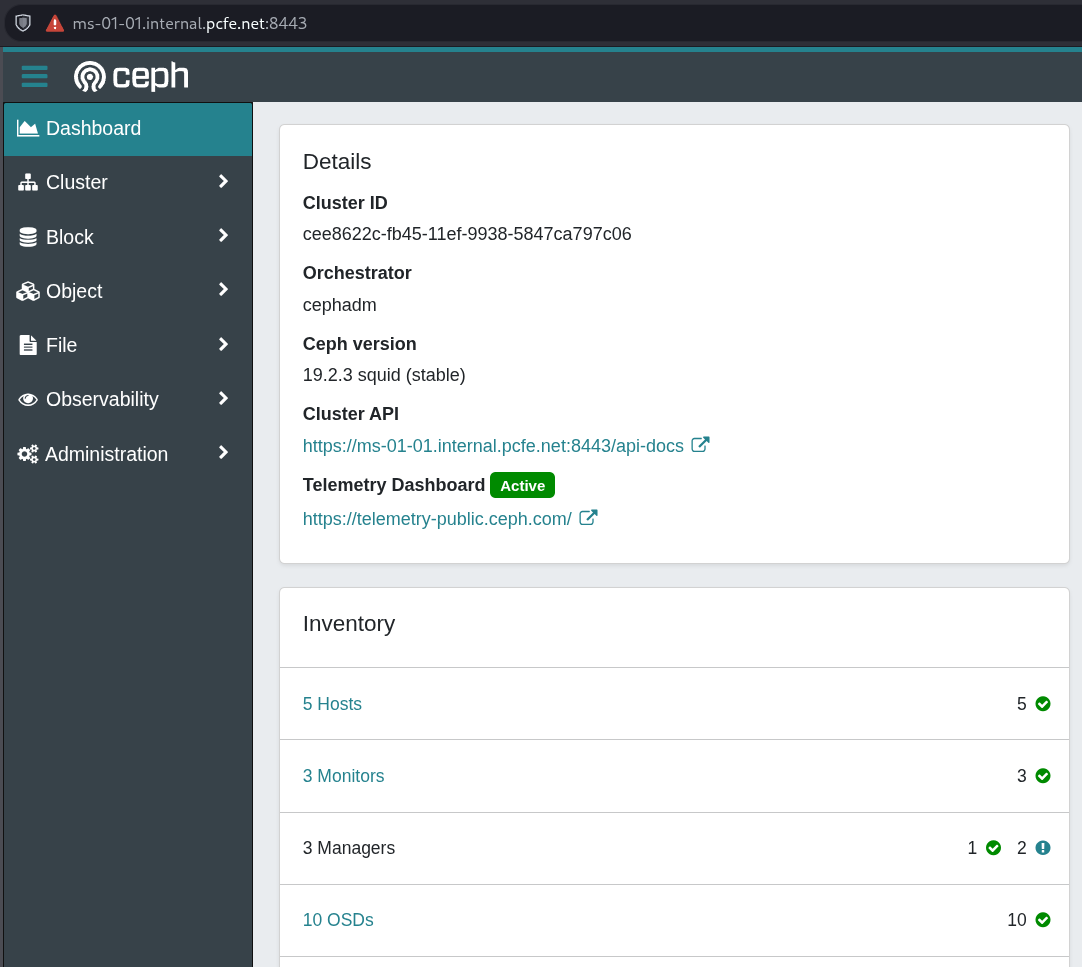
doh!, install of my Ceph Squid 19 itself was in early March, but I forgot to publish the braindump I’d written to this blog.
It was really just following the official Using cephadm to Deploy a New Ceph Cluster for the latest version (squid) at the time of install.
This is a very terse braindump on testing the WDT on my minisforum MS-01 nodes that run CentOS Stream 9.
These are my notes on initially configuring lm_sensors,
specifically lm_sensors-3.6.0-10.el9.x86_64, for my MS-01.
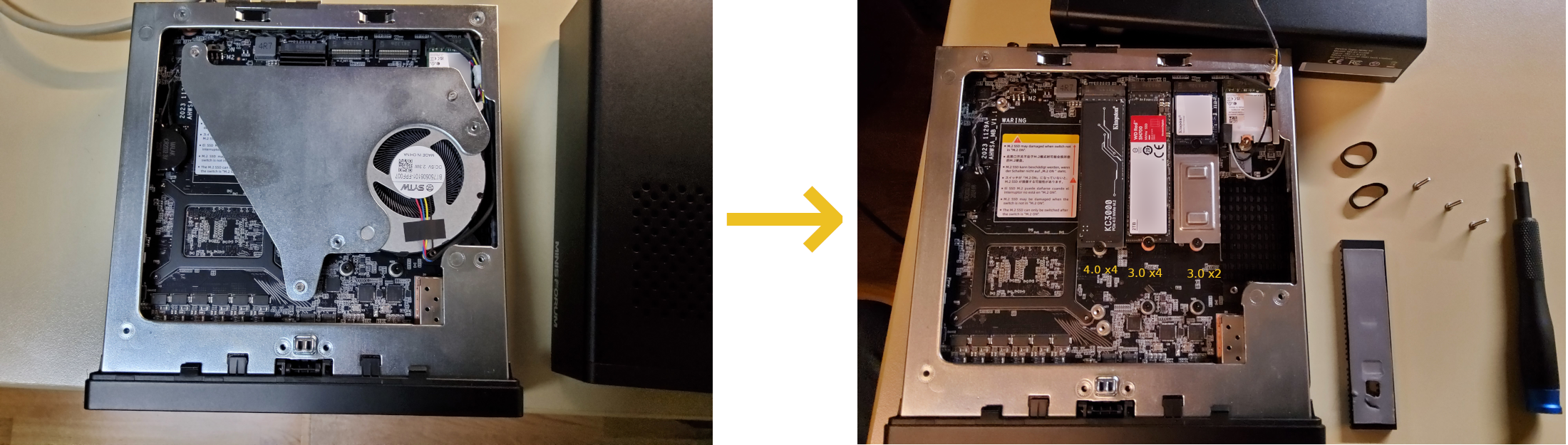
These are my notes on adding 2 NVMe to my Intel Core i9-13900H / 32GB RAM + 1TB SSD bundle nodes. In the process, the bundled 1TB NVMe has the cooler removed and is moved to the 3.0 x2 slot.
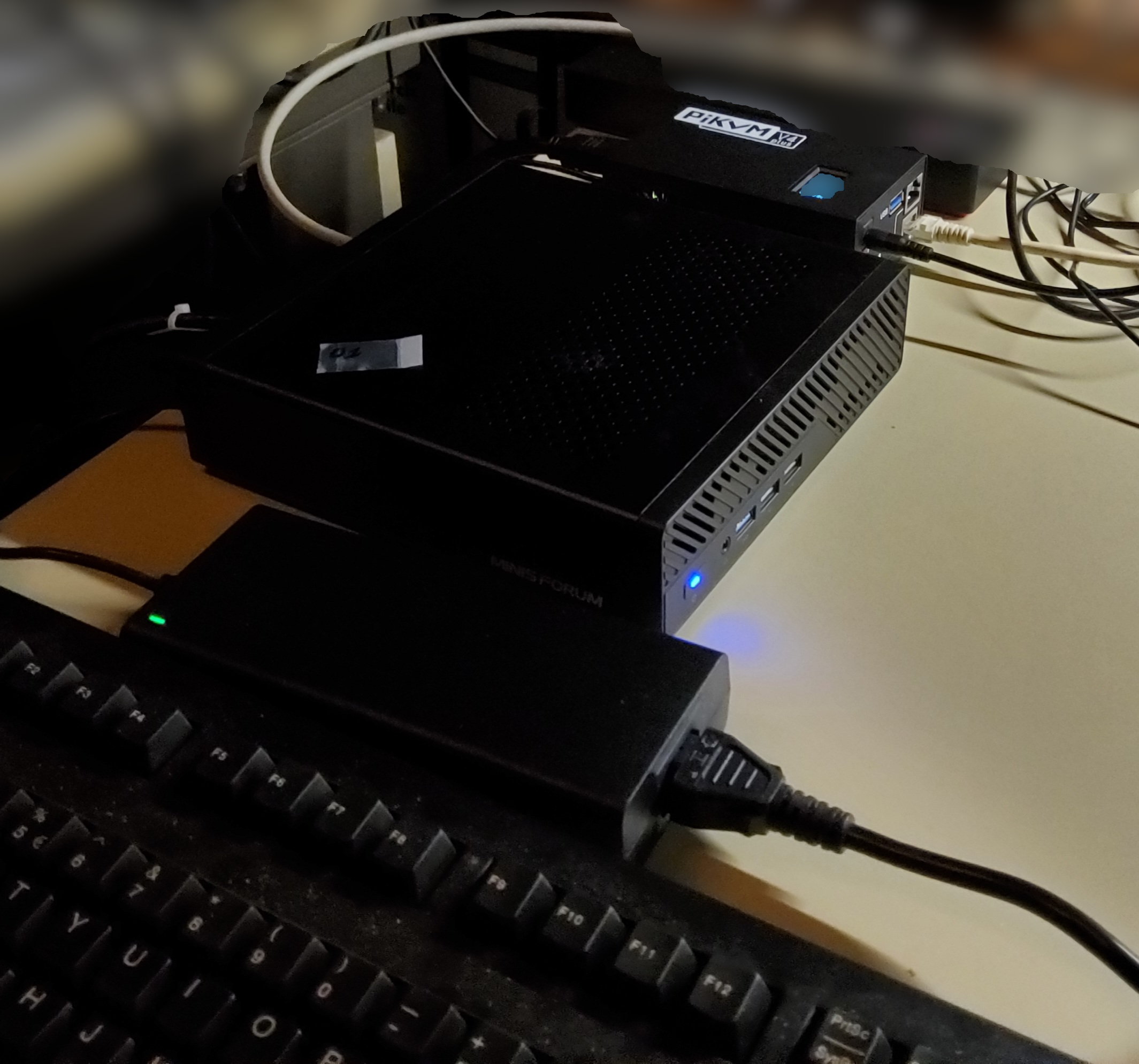
I purchased five Minisforum MS-01 Work Station, specifically the Intel Core i9-13900H / 32GB RAM + 1TB SSD bundle from their German store (simply because I live in Germany) to replace my ageing F5-422 Ceph nodes.
These are my notes on initial bring-up.
I purchased a UGREEN NASync DXP 6800 Pro. This comes with a 12th Gen Intel® Core™ i5-1235U.
These are my notes from initial bringup; mainly backing up the pre-installed Ugos so that I can wipe the included 128GB NVMe and install another Linux distribution on it.

This blog now runs on AlmaLinux OS 9
I installed Proxmox VE 8.1 on my QNAP TS-473A.
These are my installation notes.
ld;dr: it installs fine but the hardware is not at the quality level I expected, machine was put into electronics recycling in late 2024.
I upgraded my existing ProxmoxVE version 7 install to version 8.1.
As expected, this was hassle free.
These are mainly my notes on cleaning out previous CephFS fiddlings.
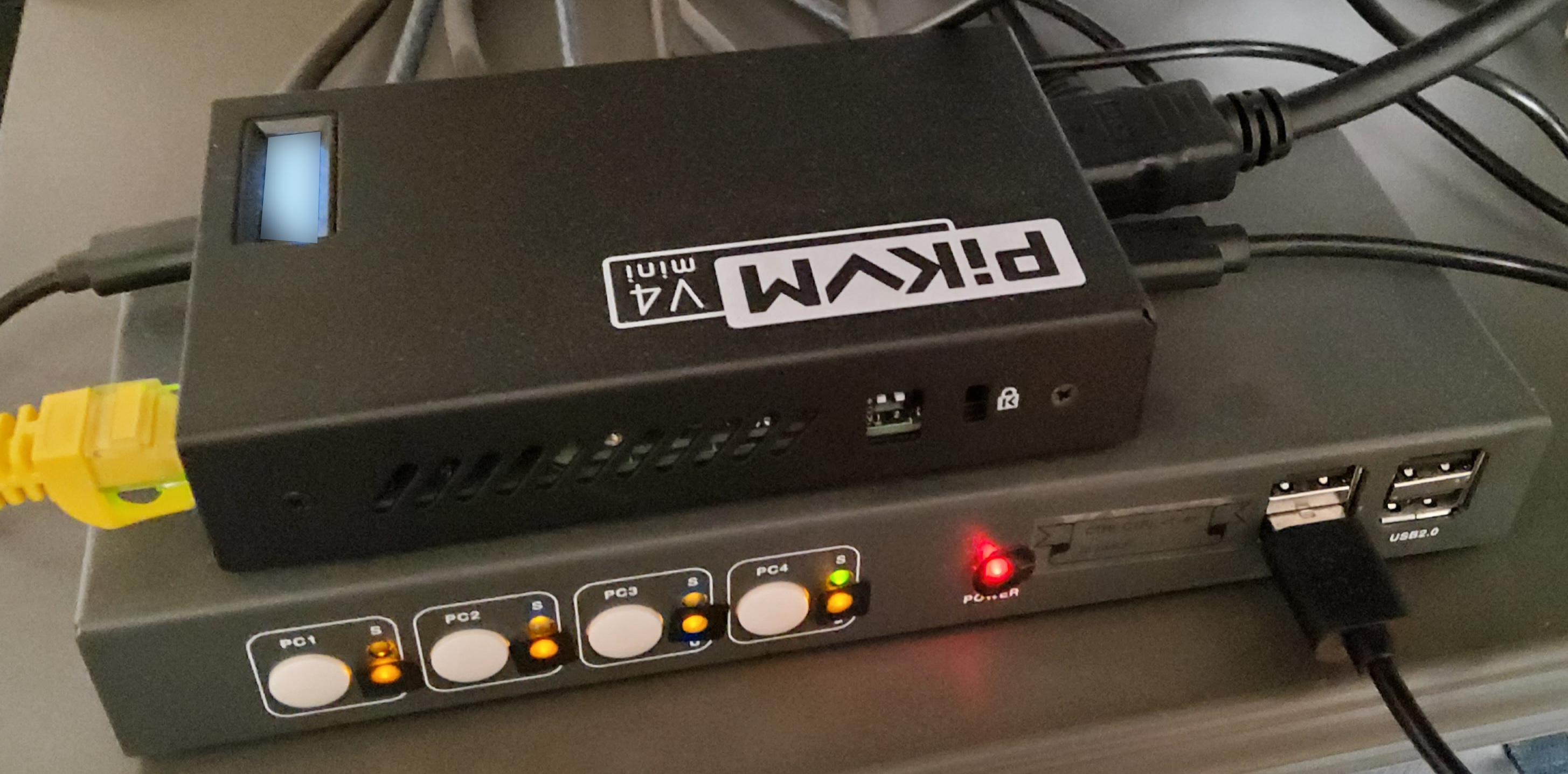
These are my configuration notes on using a PiKVM V4 Mini to connect to my four Ceph nodes via a cheap 4-port KVM switch.